


As a new parent, chances are you have typed ‘when can infants have water?’ at least once in your life, and this is most probably when you have your baby in your hands, drenched in summer, and you begin to think if feeding them milk is sufficient. I recall this when my son was born, and I asked this same question.
But the truth is, babies do not need water at all, at least not in the first six months. And in fact, introducing them to water too soon can end up being more of a negative than a positive. Let’s put this into perspective in a way where you’ll be able to see exactly when babies can drink water and how much they can safely have.
When Can Newborns Drink Water?
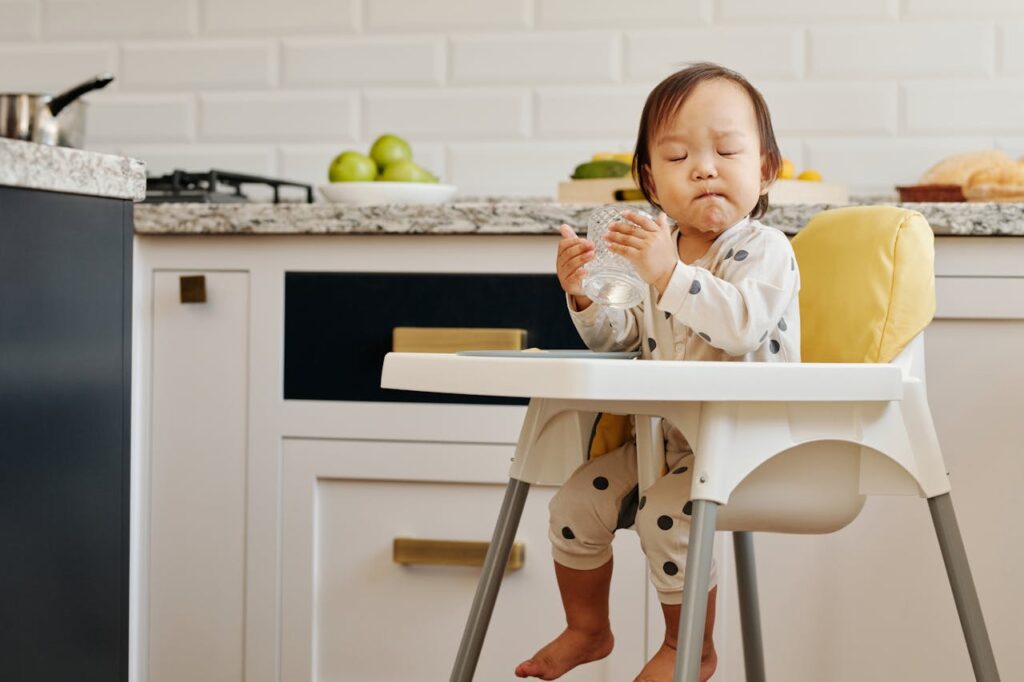
Infants can begin taking water when they are 6 months old. No sooner.
Before 6 months, their breast milk or formula will already fulfill all their hydration requirements, despite it being hot, them sweating, or you needing a drink every 10 minutes.
I recall a call to our pediatrician during a heat wave because our son was feeding nonstop. I asked, “Should I give him a sip of water?” She all but yelled “No!” before answering. Milk corresponds to a baby’s needs. Our worry may not equal their physiology.
The American Academy of Pediatrics says this rather matter-of-factly: Water before 6 months can hamper nutrition and can lead to a life-threatening problem called water intoxication.
Why Can’t Infants Drink Water Before 6 Months?
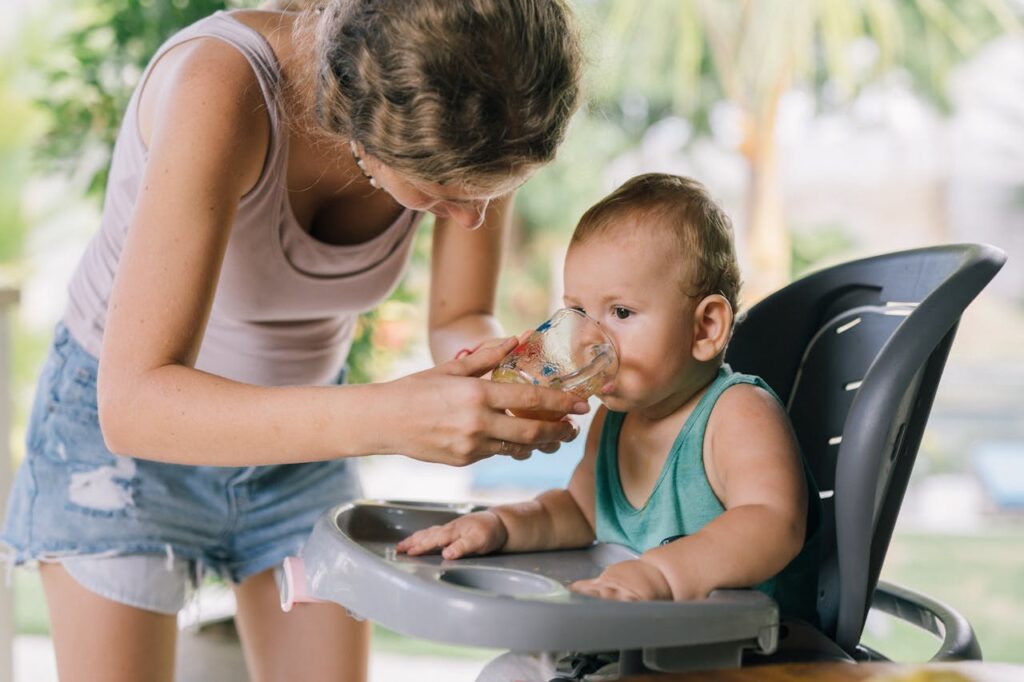
It defies logic, but an infant’s kidneys and stomach are small and underdeveloped. Their bodies can become imbalanced with too much water, which can include a small amount, such as a couple of ounces. That is why it is so dangerous.
Breast milk and formula have the perfect balance of water and nutrients. Think of it this way: “Built-In Hydration.”
In a report by the AAP in 2019, they observed that this water intake before 6 months can reduce milk consumption, which is necessary for baby growth, and can overwork the kidneys. So, yes, it sounds alarming, but this warning is not baseless.
How Much Water Can Be Given to Infants After 6 Months?
As soon as they reach the 6-month milestone, you can introduce a tiny bit of water in teaspoons, not bottles.
A good guideline that many parents follow:
2-4 ounces or 60-120 ml per day is sufficient at this stage.
Your baby is still getting sustenance from your breast milk or formula, so water is really a “practice drink” rather than a need.
When my daughter began solids, I offered her a small sippy cup with a splash of water in it. Typically, most of it spilled on her shirt or the table, but it allowed her to get a sense of the motion without overdoing it.
Indications Your Baby Needs More Hydration
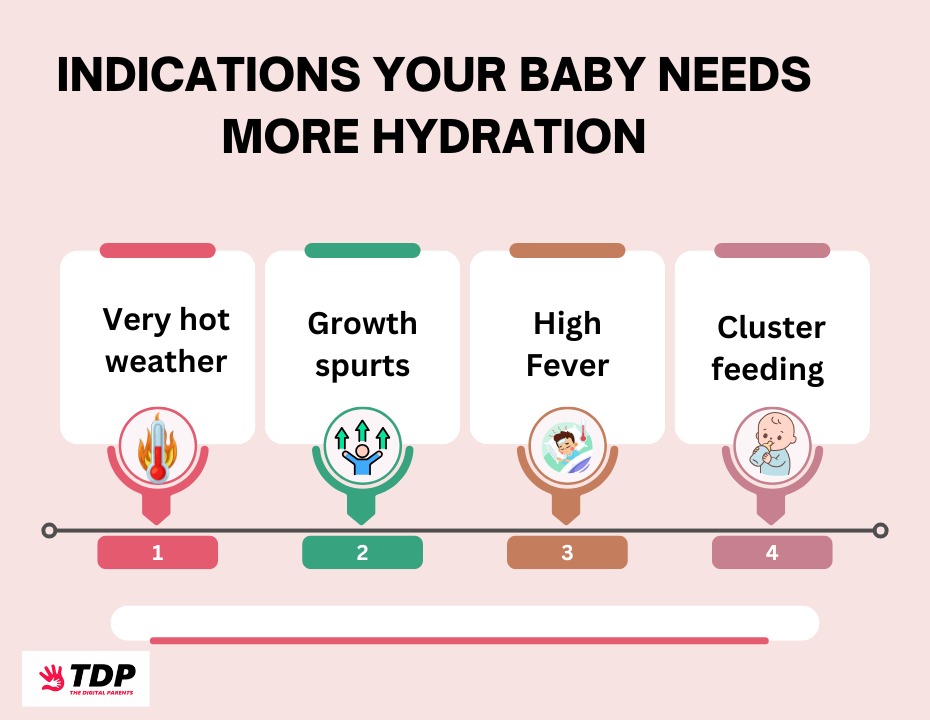
Although infants are not yet able to drink water, they might need additional milk at different times:
- Very hot weather
- Growth spurts
- Fever
- Increased fussiness or cluster feeding
Rather than water, a common solution for a diaper blowout is simply this: nurse more frequently. Infants are designed for this.
When Water Becomes Important
Water increasingly enters everyday life after 6 months, particularly when infants begin solid foods, which have less water content than milk.
Water can be added to their diet by 12 months, and they can be given a small bottle or cup during the day because it is not a problem.
But this transition happens incrementally. No need to hurry. No need to coerce. They pick it up.
What About Water for Constipation?

At this point, parents start second-guessing. For infants under 6 months, hydration with water in case of constipation is not advised, unless otherwise stated by a physician.
Infants over 6 months: a small bit of water can alleviate it; just remember, small is small. A few sips.
When I had a constipated child in the early stages of solid foods, my pediatrician advised increasing the fiber purees before opting for additional water.
Can a Newborn in a Heatwave Drink Water?
I understand the thinking behind this question. I have a daughter born in July, and I thought she would completely melt. However, increasing the frequency of milk feeding is all they require.
A mother’s milk alters in composition in hotter climates to better hydrate (nature, you have no idea). Water remains an excluded option in the first 6 months.
Final Thoughts from a Parent to Another
If you feel silly asking, don’t. Babies come with too many rules, and hydration is one of those topics parents overthink because it feels instinctive. But newborns are built differently. They get everything they need from milk.
So save the water for about 6 months. Keep it small. And let your pediatrician lead the way if you’re ever in doubt.
Seriously, you are doing great!
FAQs
1. Can a newborn drink water at all?
No, water should not be given to any newborn before 6 months. All their fluids come from either breast milk or formula.
2. What would occur in the event of giving water to a newborn by accident?
Most of the time, a small accidental sip isn’t an emergency, but you should call your pediatrician right away-especially if your baby seems sleepy, fussy, or isn’t feeding well.
3. Why is water dangerous for newborns?
Their kidneys just aren’t mature enough to process excess water. The more there is, the more it will water down the sodium levels, leading to water intoxication.
4. Can I give water to help my newborn poop?
Not before 6 months. Alternatively, give more frequent feeding or consult with your pediatrician.