


This was the question in our house when my oldest boy (16-year-old), who goes to the gym actively, also eats as if he has to fuel a small army, asked if he could start taking creatine. Not pre-workout, not fat burners, just creatine. “Everybody at the gym uses it,” he said.
And that’s pretty much where this thing begins.
If you’re here, the chances are high that you’re asking the same question I did: Is creatine safe for 16-year-olds, or am I opening up an expensive can of worms I shouldn’t? Let’s discuss it honestly, one that is devoid of scare tactics and supplement hype.
What Is Creatine?
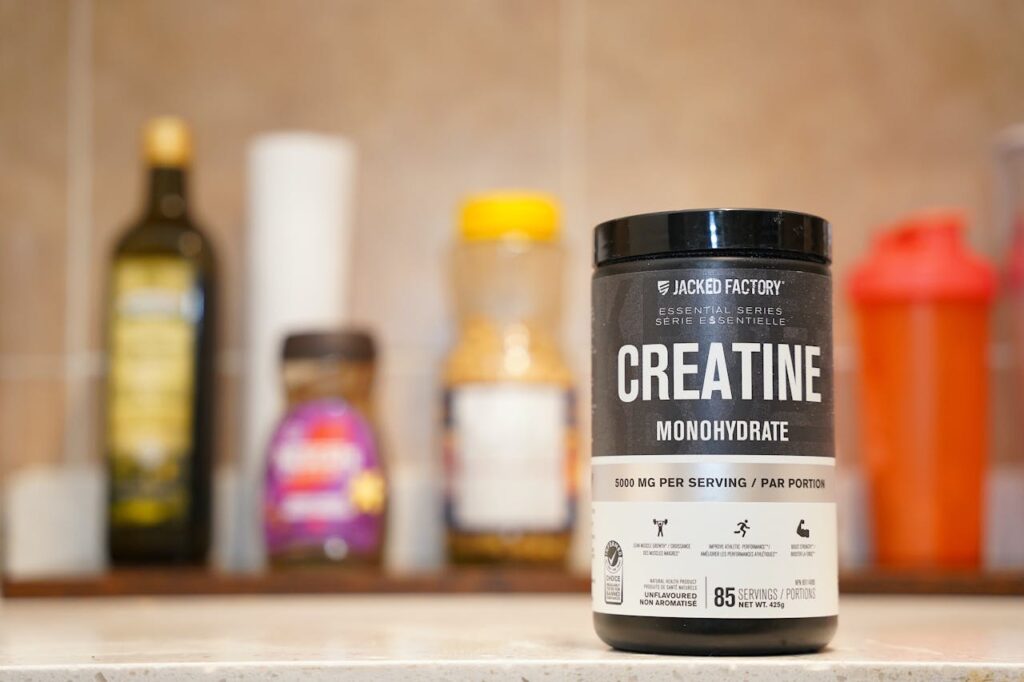
Creatine is actually something the body already produces naturally. It’s mostly stored in muscles and helps generate rapid energy during brief, intense movements, for example, sprinting or weight lifting.
You also consume creatine from foods in your diet, such as red meat and fish. A supplement is no more than a concentrate of something that we naturally have in our bodies.
This is the reason creatine for kids isn’t in the same league as steroids or any kind of harsh performance drugs. But “natural” isn’t synonymous with “right for every age.”
Is Creatine Safe for 16-Year-Olds (Teens) According To Research?
Here’s the balanced, research-based answer:
There is no strong evidence showing that creatine is dangerous for healthy teenagers, but long-term research in teens is limited.
Creatine has been extensively studied in healthy adults. When used correctly, research supports the safety of creatine supplementation for healthy adult populations. Large-scale research on adolescents (primarily athletes) is limited and has found no evidence of any significant risks for short-term use.
However, it should also be noted that the majority of large medical organizations do not yet officially recommend creatine for individuals under the age of 18. This is not due to evidence of harm, but rather the lack of sufficient long-term data on how creatine supplementation may affect growing bodies.
As a parent, that distinction matters.
Why Doctors Are Careful About Creatine For Kids

Sports medicine and pediatric medicine are often cautious about providing recommendations regarding supplement usage for young athletes for three main reasons. The first reason is that adolescents are still developing; many of a teenager’s muscles, hormones, and organs continue maturing at age 16, even if the teenager appears fully developed.
The second reason is that dietary supplements are not subject to the same types of regulations as pharmaceutical drugs; therefore, what is listed on the label may not be consistent with what is contained inside the actual product itself.
The third reason, according to our doctor, is that most adolescents do not need to take creatine to see any improvement. For many adolescents, the initial strength increases are achieved through adequate rest, nutrition, and a proper training regimen. I was impressed with my physician’s comment summarizing this issue: ‘The benefit is small, and while the risks (or negatives) of using creatine are probably not great, there is still a small risk or unknown.’
What I Did When My 16-Year-Old Asked For Creatine

I didn’t give him a “yes” straight away. I didn’t give him a “no” either.
We started to talk about how he wanted to use creatine and the reasons he wanted to use it. He is not looking for a shortcut to get stronger, but to have the ability to keep up with his older teammates and to be able to train without worrying while he is in the gym.
As a starting point, we went over some of the basics: Are you getting enough sleep? His response was “No. Are you eating enough protein? He replied, “Sometimes. Are you training consistently? He said, “I’m getting there.
Once we got those things figured out, and he became stronger and performed better, the consideration for creatine became a less pressing issue.
Another agreement we had was that we would not use any supplements until we received the thumbs-up from a medical professional. From that, the advice was to wait until he turned 18 years old unless there was a genuine and validated reason to take the supplement with supervision.
It made me feel that the reasoning was sensible as a parent.
Potential Side Effects Parents Should Know About
Creatine is generally well-tolerated, but it’s not completely side-effect-free.
Some teens and adults experience stomach discomfort, bloating, or water weight gain, especially if they take too much or don’t drink enough water. Dehydration is a real concern for active teens who already sweat a lot.
There’s no strong evidence that creatine damages kidneys in healthy people, but doctors still urge caution for kids because long-term data is limited in this age group.
In other words, this isn’t panic-worthy, but it’s not something to ignore either.
When Creatine For Kids Might Be Considered

I’ll be honest: I don’t think creatine for kids is always a hard no. But it should never be casual.
In some cases, older teens, structured sports programs, proper nutrition, and medical supervision may be considered with guidance. What I don’t support is teens buying random tubs online, stacking supplements, or copying influencer routines.
Creatine should never be a replacement for food, sleep, or discipline.
Things That Parents Miss

This is what is most important to me.
The first time teenagers take a supplement, it is going to be to create a different way of thinking, from “developing a routine” to “taking powders.” Creatine itself does not pose any threats, but the way of thinking behind it does.
At age 16, the greatest ability to increase physical performance will come from maintaining a routine. Supplementation should follow whether or not an athlete develops a routine.
Bottom Line – Is Creatine Safe For 16-Year-Olds?
Below is a summary from me to another parent:
Creatine has not been shown to cause harm to children, and there is no definitive evidence that it is required at this age.
While there have been no significant negative long-term effects associated with the short-term use of creatine in otherwise healthy teenagers, definitive long-term evidence for so little usage is not yet available.
Doctors suggest that parents should wait until their child turns 18 before giving them creatine; however, this would only apply if the child’s physician has diagnosed a medical condition requiring creatine, or if a professional trainer otherwise recommends its use.
If your child has been developing well without using creatine, it is typically the best indicator that he or she does not currently require it.
FAQ
Is creatine safe for 16-year-olds?
For healthy teens, short-term studies haven’t shown serious harm, but long-term safety data is limited. Most doctors recommend waiting until 18.
Can creatine affect growth or puberty?
There’s no solid evidence that creatine affects height or puberty, but research in teens is limited, which is why caution is advised.
Do doctors recommend creatine for kids?
Most pediatricians do not actively recommend creatine for kids under 18 unless there is medical or athletic supervision.
Is creatine better than protein powder for teens?
Food should always come first. Protein powders are sometimes used for convenience. Creatine serves a different purpose and isn’t essential for teens.
Should my teen take creatine or wait?
In most cases, waiting until 18 is the safest and simplest choice unless advised otherwise by a healthcare professional.