

So when we began solids with our first kid, I did what every parent does: bought tiny spoons, cooked purées, and worried over each mouthful. When we had our second baby, all I kept hearing about was baby-led weaning (BLW), and I thought it sounded a bit unconventional. Letting a baby feed themselves? With real food? No spoon?
Skip ahead a couple of weeks, and I realized something important: baby-led weaning is less about being trendy than it is about trusting your baby and letting go of control.
This guide is written parent-to-parent. No perfect Instagram meals. No judgment. Just what BLW actually looks like in real life.
What Is Baby-Led Weaning (BLW), Really?

Baby-led weaning BLW is the act of bypassing the purée and the spoon and allowing the baby to feed themselves soft and appropriate-to-age foods when introducing solids. Rather than you putting the food into the baby’s mouth and the baby feeding because you put the spoonful into their mouth, the baby picks the food and brings it to their mouth.
The concept is this: babies learn to eat by eating. They begin practicing eating from day one. They practice eating by learning to chew, using hand/eye coordination, and responding to their hunger cue.
“Well, when we began BLW, mealtimes were slower, messier, and frankly, more relaxed. There were no airplane spoons. There was no forcing kids to `finish the bowl.’
When To Start Baby-Led Weaning BLW
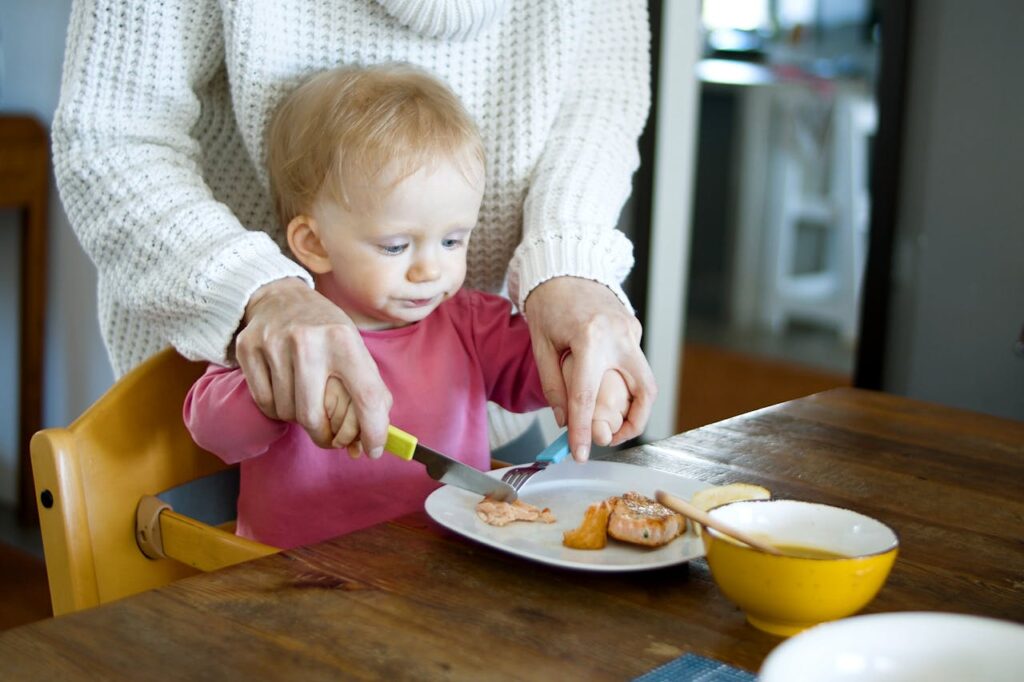
The majority of medical associations concur that infants are ready for solid foods at six months, not sooner. This also holds true for baby-led weaning BLW.
Your infant should be able to put food in their mouth, sit up straight with little assistance, and express interest in what you’re eating. It is not necessary to have teeth. When we first started, my second baby had no teeth, but he was fine.
BLW is about preparedness, not just age.
Baby-Led Weaning BLW vs. Traditional Spoon-Feeding
This is where parents get stuck choosing sides. You don’t actually have to.
Traditional feeding is parent-led. BLW is baby-led. In our house, BLW meant our baby ate the same foods we did, just prepared safely. That alone made meals easier with two kids.
The biggest difference I noticed wasn’t what they ate, but how they ate. According to a PMC study, Traditional complementary feeding or BLW allows babies to control the eating pace and stop when full. The study explains that this responsive feeding style supports early self-regulation. As a result, power struggles around food are reduced, and mealtimes remain calm and stress-free.
Research suggests that BLW may help babies better regulate appetite and develop motor skills, though experts also note that safety and iron intake need attention. That’s not fear-mongering, it’s just good parenting awareness.
Is Baby-Led Weaning BLW Safe?

That is a fair starting point for any parent.
Safety comes from food preparation and supervision, not purées themselves; when done properly, baby-led weaning is safe.
Babies gag a lot. Gagging is protective and common; choking is serious and silent. It wasn’t until I learned the difference that I was better equipped when sitting at a table.
We never had our baby feed while lying down, never gave hard or round foods, and always sat with them. I was way less intimidated by BLW once I learned those basics.
What Foods To Start With In Baby-Led Weaning BLW
BLW doesn’t mean giving your baby whatever’s on your plate without thought. It means offering soft, graspable foods they can manage.
At first, we gave her foods that mashed easily between our fingers. Think roasted vegetables, ripe fruits, pasta that was cooked properly, eggs, and strips of meat cooked to tender perfection.
Iron matters here. Babies’ iron stores start to drop around 6 months, so iron-rich foods like meat, eggs, beans, and fortified options should make a regular appearance.
You don’t have to make meals complicated. Some days our baby ate three foods. Some days, they mostly played. Both are normal.
What Baby-Led Weaning BLW Looks Like In Real Life
Here’s the honest part no one glamorizes.
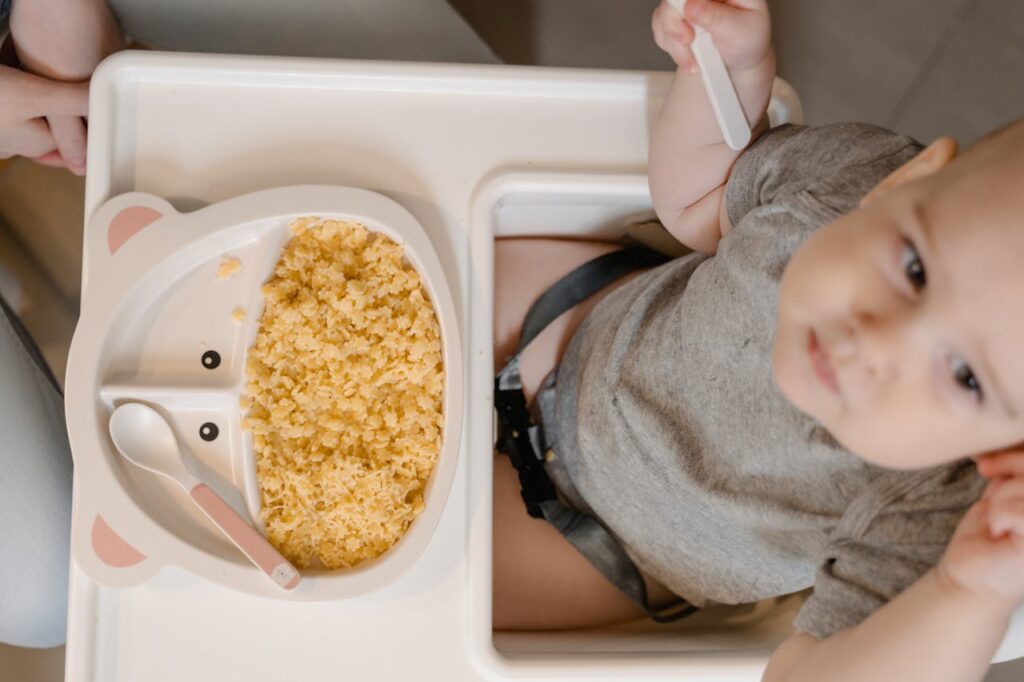
BLW is messy. Food ends up on the floor. Sometimes barely anything gets eaten. You will question whether your baby swallowed anything at all.
With our second child, some meals were basically sensory play sessions. And that’s okay. Eating is a skill, not a race.
What surprised me most was how quickly confidence grew. Within weeks, our baby was chewing, swallowing, and joining family meals as it was always meant to be.
Common Baby-Led Weaning BLW Mistakes Parents Make
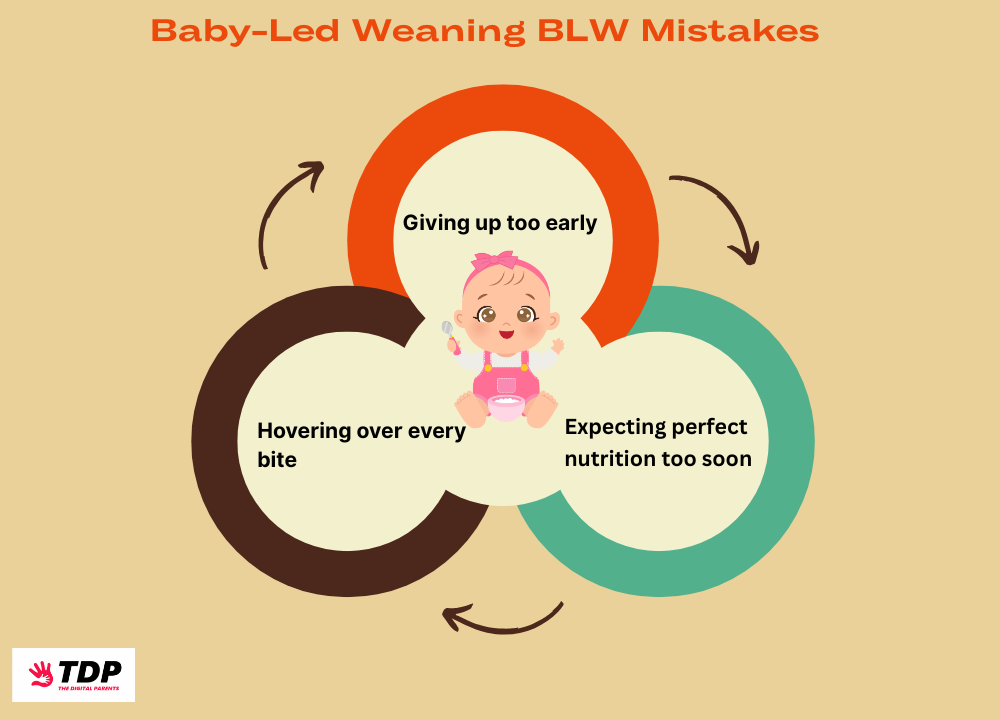
Expecting nutrition to appear flawless right away is, in my opinion, the biggest error. BLW prioritizes education over nutrition, particularly in the early years, when milk or formula remains the primary source of calories.
Hovering too much is another error. Both parents and babies may become more anxious if they keep a close eye on every bite. Stay calm and in the moment.
Lastly, because it seems chaotic, some parents give up too soon. It does settle. I swear.
Can You Combine Baby-Led Weaning BLW) and Spoon-Feeding?
Yes. And a lot of families do.
BLW is not binary. For the majority of our meals, we used BLW, but occasionally we offered yogurt or oatmeal with a spoon. Even when using a spoon, it’s important to let the baby take the lead.
BLW is sustainable because of its flexibility.
The Biggest Benefit Of Baby-Led Weaning BLW (In My Experience)
For us, the biggest win wasn’t less picky eating or advanced skills. It was reduced stress around food. According to the BBC, meals became shared experiences rather than pressured feeding sessions, helping our baby learn early on that food is enjoyable, not forced. That positive food mindset carried into toddlerhood better than I expected.
Frequently Asked Questions by Parents
Can babies choke during BLW?
BLW is regarded as safe when carried out properly, with appropriate food preparation and supervision. Choking is uncommon when precautions are taken, but gagging is frequent and normal.
Does BLW provide babies with adequate nutrition?
Yes, as long as parents continue to breastfeed or use formula and provide iron-rich foods on a regular basis. Learning is just as important as nutrition during early meals.
Can I begin BLW at four months?
Before beginning BLW, most experts recommend waiting until approximately 6 months and monitoring for signs of developmental readiness.
What if my baby doesn’t eat much with BLW?
That’s normal. Early on, babies explore more than they consume. Intake increases as skills improve.